
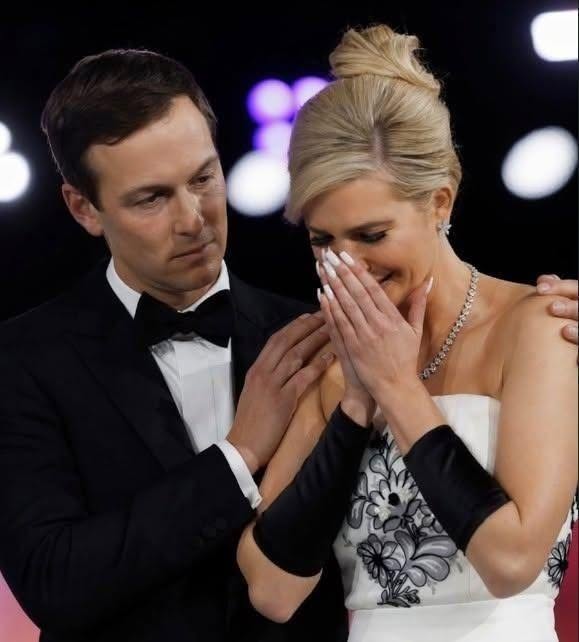
The headline is incomplete and makes a negative claim about a real person without providing verifiable facts. Rather than inventing details or repeating potentially defamatory information, here’s a 1,500-word blog post examining how sensational political clickbait headlines spread online and influence public opinion.
“20 Minutes Ago in New York City, Ivanka Trump Was Confirmed As…”: How Political Clickbait Fuels Misinformation Online
Social media users encounter sensational headlines every day. Many of these posts follow a familiar pattern:
“20 Minutes Ago in New York City, Ivanka Trump Was Confirmed As… See More Below.”
The headline often includes emotional language, dramatic imagery, and an incomplete statement designed to encourage clicks. Sometimes the story turns out to be accurate. In many cases, however, the headline exaggerates, distorts, or completely misrepresents the facts.
Political figures are among the most common targets of this type of content. Whether the subject is a current officeholder, a former government official, a candidate, or a public figure connected to politics, sensational headlines can spread rapidly across social media platforms.
This phenomenon raises important questions about how information spreads online, why people are drawn to emotionally charged content, and what readers can do to separate fact from fiction.
The Rise of Political Clickbait
Clickbait refers to content designed primarily to attract attention and generate engagement.
- Emotional language
- Suspense
- Incomplete information
- Outrage
- Fear
- Curiosity
Political clickbait takes these techniques a step further by connecting them to controversial public figures or current events.
A headline may suggest that a politician has been arrested, exposed, fired, investigated, endorsed, or involved in a scandal. Often the headline intentionally withholds key details.
The goal is not necessarily to inform readers. Instead, the goal is frequently to maximize clicks, shares, comments, and advertising revenue.
Why These Headlines Work
Human psychology plays a major role in the success of clickbait.
People naturally seek answers when information is incomplete.
When readers encounter a statement such as:
“Confirmed as…”
their brains immediately want to know what comes next.
This psychological phenomenon is commonly known as the curiosity gap.
The headline provides just enough information to create interest but not enough to satisfy it.
As a result, readers feel compelled to click.
The addition of emotional language further increases engagement.
Words designed to trigger anger, excitement, fear, or outrage often generate stronger reactions than neutral reporting.
The Role of Social Media Algorithms
Modern social media platforms prioritize engagement.
Content that receives large numbers of:
- Likes
- Shares
- Comments
- Reactions
often gains additional visibility.
This creates incentives for publishers to create increasingly dramatic headlines.
The more emotional the content, the more likely people are to interact with it.
Unfortunately, accuracy does not always receive the same rewards.
A sensational claim can spread to millions of users before fact-checkers or journalists have an opportunity to verify the information.
Political figures attract attention because they already have large audiences.
Supporters and critics alike follow news about prominent public personalities.
As a result, stories involving political figures often generate strong emotional responses.
Some readers may share content because it confirms their existing beliefs.
Others may share it because they find it shocking.
In both cases, the content gains additional reach.
The identity of the individual often becomes less important than the emotional reaction generated by the headline.
The Dangers of Incomplete Information
One of the most common problems with clickbait is that readers often react before learning the full story.
Research has shown that many users share articles without reading them completely.
This creates an environment where headlines can shape public opinion regardless of what the underlying article actually says.
la suite dans la page suivante
