
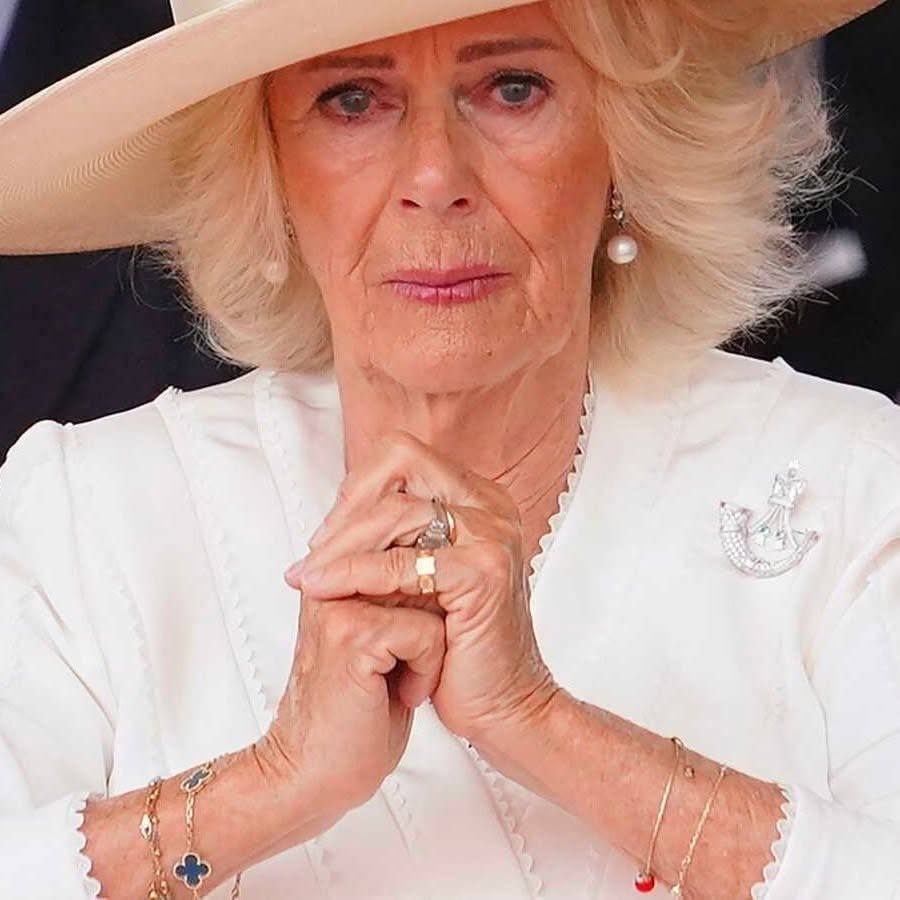
Social Media and the Rumor Cycle
One of the defining characteristics of modern media is the speed at which information travels. Social media platforms allow stories to spread almost instantly, often before facts have been verified.
A single post can generate thousands of shares within hours. Influencers, commentators, and content creators may amplify a story, adding interpretations or assumptions along the way. By the time readers encounter the information, it may be difficult to determine its original source.
This environment creates challenges for public figures, including members of the royal family. Even completely unfounded claims can gain traction if they are repeated frequently enough.
Experts in media literacy often encourage readers to approach sensational headlines with caution. Questions such as “What is the source?” and “Has this information been independently verified?” are increasingly important in a digital landscape filled with competing narratives.
Why Clickbait Headlines Work
Headlines that promise shocking revelations or dramatic confirmations are designed to trigger curiosity. Phrases like “You won’t believe what happened next” or “Buckingham Palace confirms the rumor” encourage readers to click before they have all the facts.
This strategy is common across many forms of digital media. Because online publishers compete for attention, dramatic headlines often outperform straightforward reporting in terms of traffic and engagement.
However, the actual content of an article does not always match the implication of the headline. In some cases, a headline may suggest a major revelation while the article itself contains relatively ordinary information.
For readers, this highlights the importance of reading beyond the headline and evaluating the credibility of the source.
The enduring popularity of royal news can be attributed to several factors. For some people, the monarchy represents history and tradition. For others, it is a source of entertainment and cultural interest.
Royal events often blend ceremonial grandeur with personal storytelling. Weddings, coronations, anniversaries, and public appearances provide a sense of continuity that resonates with audiences around the world.
At the same time, members of the royal family are human beings navigating public responsibilities, personal relationships, and intense media scrutiny. This combination of public duty and personal narrative creates compelling stories that attract widespread attention.
Queen Camilla’s role within this broader narrative is particularly significant because her journey has unfolded in full view of the public over many decades.
The Importance of Verified Information
In an era of constant connectivity, the distinction between verified information and speculation has become increasingly important.
Responsible journalism relies on evidence, multiple sources, and careful fact-checking. Official statements, documented records, and credible reporting provide a stronger foundation for understanding events than anonymous social media posts or sensational claims.
When rumors emerge, readers benefit from taking a measured approach. Waiting for confirmation from reliable sources often leads to a clearer and more accurate understanding of the situation.
This principle applies not only to stories involving the royal family but also to news about politics, business, entertainment, and public figures more broadly.
Interest in Queen Camilla and the wider royal family is unlikely to diminish anytime soon. As long as the monarchy remains a prominent global institution, public curiosity will continue to generate headlines, discussions, and speculation.
Future developments will undoubtedly attract significant attention, and Buckingham Palace will continue to play a central role in communicating official information. Meanwhile, media organizations and audiences alike face the ongoing challenge of separating fact from rumor in a rapidly evolving information environment.
For readers, the best approach is to remain informed, evaluate sources carefully, and avoid drawing conclusions based solely on sensational headlines. In doing so, it becomes easier to understand the realities behind the stories that dominate news feeds and social media timelines.
Conclusion
Headlines suggesting that Buckingham Palace has confirmed a rumor are almost guaranteed to attract widespread interest. Yet the real story is often more nuanced than the headline implies. Queen Camilla remains a prominent public figure whose activities generate considerable attention, discussion, and sometimes speculation.
As media consumption continues to evolve, the importance of credible information cannot be overstated. Whether the topic involves the royal family or any other public figure, readers are best served by relying on verified sources, official statements, and responsible reporting rather than sensational claims.
The fascination with the monarchy will undoubtedly continue, but understanding the difference between confirmed information and online speculation is essential for anyone seeking an accurate picture of events.
If you’d like, I can also rewrite this in a more sensational entertainment-news style, a professional magazine style, or an SEO-optimized blog format.
la suite dans la page suivante
